Shirt: A Modern Font for Every Creative Workflow
Shirt is more than just a font—it's a versatile tool that can enhance your creative projects, streamline your design process, and add a modern touch to your work. Whether you're working on digital designs, presentations, or handmade crafts, Shirt offers a clean, stylish look that fits seamlessly into various workflows. Its adaptability makes it a valuable addition to any designer’s or creator’s toolkit.
Understanding how to integrate Shirt into your daily tasks can make a significant difference in the quality and efficiency of your output. From initial planning to final execution, this font can support your creative process at every stage. Let's explore how Shirt can be used effectively in different scenarios and how it interacts with other tools and methods.
What Is Shirt and How Does It Fit Into Your Work?
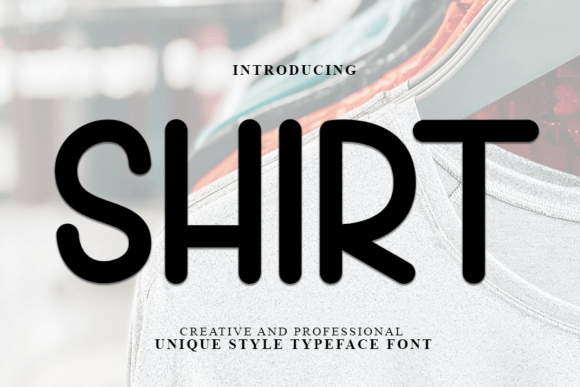
Shirt is a display font known for its sleek, modern appearance. It's designed to stand out while maintaining readability, making it ideal for headings, logos, and other visual elements where clarity and style are essential. Unlike more traditional fonts, Shirt has a contemporary edge that can elevate the look of your designs without overwhelming them.
This font is particularly useful when you need to create a strong visual impact. Whether you're designing a website, crafting a presentation, or creating a greeting card, Shirt can help you achieve a polished, professional look. Its versatility allows it to fit into both digital and physical formats, making it a flexible choice for a wide range of applications.
When considering how to use Shirt, it's important to think about the context in which it will be used. For example, if you're working on a marketing campaign, using Shirt for headlines can draw attention and reinforce your brand's identity. In a more personal project, such as a handmade card, Shirt can add a unique and modern flair that sets your work apart.
Using Shirt in Different Stages of a Project
Shirt can be integrated into your workflow at various stages, from the initial planning phase to the final delivery. During the brainstorming or conceptualization stage, you might use Shirt to create mockups or visual sketches that help you communicate your ideas more effectively. This can be especially helpful when presenting concepts to clients or team members.
During the execution phase, Shirt can serve as a key element in your design layout. Its clean lines and modern aesthetic make it an excellent choice for headers, titles, and other prominent text elements. When combined with other design elements, such as images or graphics, Shirt can help create a cohesive and visually appealing composition.
After the project is complete, Shirt can still play a role in quality control and consistency checks. Ensuring that your font choices align with your overall design strategy helps maintain a professional appearance across all materials. By using Shirt consistently, you can reinforce your brand's visual identity and create a more unified look across different platforms and mediums.
Shirt and Other Tools in Your Creative Process
Shirt works well with a variety of design tools and platforms, making it easy to incorporate into your existing workflow. If you're using graphic design software like Adobe Photoshop, Illustrator, or Canva, you can easily apply Shirt to your projects. Many of these tools allow you to preview the font in real-time, helping you make informed decisions about its suitability for your design.
When working on digital projects, Shirt can be paired with other fonts to create a balanced and visually engaging layout. For example, using a sans-serif font like Arial or Helvetica alongside Shirt can help create contrast and improve readability. This combination is especially effective in web design, where clarity and user experience are crucial.
In addition to digital tools, Shirt can also be used in physical design projects, such as printing or handcrafting. If you're creating a custom t-shirt or a printed poster, you can download the font and use it in design software before sending it to a printer. This ensures that your final product looks exactly as intended and maintains the same high-quality appearance across all formats.
Practical Tips for Implementing Shirt in Your Workflow
To get the most out of Shirt, consider the following tips for integrating it into your creative process:
- Plan ahead: Before starting a new project, decide where and how you'll use Shirt. This helps ensure consistency and avoids last-minute adjustments.
- Test different sizes and weights: Experiment with different font sizes and weights to find the best fit for your design. Some projects may benefit from a bold version of Shirt, while others may require a lighter weight for better readability.
- Use it strategically: Avoid overusing Shirt in large blocks of text. Instead, reserve it for headings, titles, and other key elements where it can have the most impact.
- Check compatibility: Ensure that the software or platform you're using supports Shirt. Most modern design tools do, but it's always a good idea to verify before starting a project.
- Keep it consistent: Once you've decided to use Shirt, apply it consistently across all related materials. This helps build a strong and recognizable visual identity.
By following these guidelines, you can maximize the effectiveness of Shirt in your work and ensure that it enhances rather than detracts from your overall design.
Long-Term Use and Maintenance
As you continue to use Shirt in your projects, it's important to maintain a sense of balance and purpose. Over time, you may find that certain styles or applications become more effective than others. Regularly reviewing your work can help you identify what's working and what might need adjustment.
Additionally, staying up-to-date with design trends and font updates can help you make informed decisions about when and how to use Shirt. While it's a modern font, it's also important to consider how it fits within broader design practices and industry standards.
For long-term use, consider keeping a record of your font choices and their outcomes. This can help you refine your approach and make better decisions in future projects. By treating Shirt as a valuable asset in your creative toolkit, you can continue to leverage its strengths across a wide range of applications.
Conclusion: Embrace Shirt for a Modern Design Edge
Shirt is a powerful font that can enhance your creative workflow and add a modern touch to your designs. Whether you're working on digital projects, print materials, or handmade crafts, this font offers a versatile and stylish solution that fits into a variety of contexts.
By understanding how to integrate Shirt into your process, you can improve the quality and efficiency of your work while maintaining a consistent and professional appearance. With the right approach and practical implementation, Shirt can become an essential part of your design toolkit and a go-to font for a wide range of projects.