Exploring the Versatility and Elegance of Creative Culture in Modern Design
Typography plays a crucial role in visual communication, influencing how messages are perceived across various platforms. Among the many fonts available today, Creative Culture stands out for its distinctive blend of style, clarity, and adaptability. Designed with modern aesthetics in mind, this display font offers an elegant yet bold presence that can elevate any creative project. Whether used in digital media or print, it brings a level of sophistication and flair that is both eye-catching and functional.
The Unique Characteristics of Creative Culture
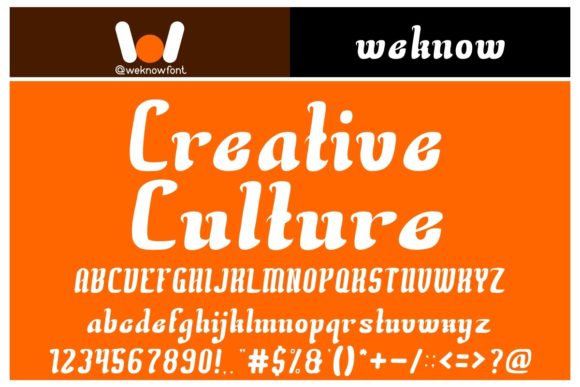
Creative Culture is more than just a visually appealing typeface; it is a carefully crafted font that balances artistic expression with usability. Its design features include smooth curves, well-defined strokes, and subtle details that give it a refined look without compromising legibility. These characteristics make it ideal for situations where impact and readability are equally important.
The font’s open apertures and generous spacing allow it to remain clear even at smaller sizes, while its larger scale ensures it commands attention when used as a headline or title. This duality makes it a versatile choice for designers who want to maintain a professional tone while still making a statement.
Visual Identity and Branding
In the world of branding, first impressions matter. A logo is often the face of a company, and the right font can significantly influence how that brand is perceived. Creative Culture is particularly well-suited for logos due to its modern edge and memorable form. It can be adapted to reflect different moods—whether sleek and sophisticated for a tech startup or vibrant and youthful for a lifestyle brand.
Corporate identity systems also benefit from the use of Creative Culture. The font can serve as the primary headline typeface in presentations, marketing materials, and signage, helping to create a cohesive and stylish visual language. When paired with complementary sans-serif or serif fonts for body text, it allows for a balanced and aesthetically pleasing hierarchy of information.
Applications Across Industries
One of the most exciting aspects of Creative Culture is its broad range of applications. From editorial design to product packaging, this font has proven itself to be a valuable asset in diverse creative fields.
Apparel and Fashion Industry
In the fashion industry, typography is often used to communicate a brand’s personality. T-shirt designs, clothing labels, and promotional posters can all benefit from the dynamic energy of Creative Culture. Its ability to convey creativity and innovation aligns perfectly with the fast-paced nature of fashion trends.
Entertainment and Media
When designing promotional material for movies, games, or music, it’s essential to capture attention quickly. Creative Culture does this effectively by offering a unique visual signature that can be tailored to match the theme of the content. For example, a fantasy film poster might use a bolder version of the font, while a documentary website could opt for a cleaner, more minimalist variant.
Magazines, Books, and Comics
Magazine covers, book titles, and comic panels require fonts that are both expressive and easy to read. Creative Culture meets these needs by providing a strong typographic presence without overwhelming the reader. Its stylized form works especially well for headlines and chapter titles, drawing the eye while maintaining a sense of professionalism.
Digital Platforms and Social Media
In the age of digital content, having a font that performs well on screens is vital. Creative Culture is optimized for web use, ensuring crisp rendering across devices. On platforms like YouTube and Instagram, where thumbnails and banners need to stand out, this font helps creators craft compelling visuals that resonate with their audience.
Why Choose Creative Culture?
Designers choose Creative Culture not only for its aesthetic appeal but also for its practical advantages. Here are some reasons why this font is gaining popularity:
- Adaptability: Works well in both high-contrast and soft-toned environments.
- Legibility: Maintains clarity at various sizes and resolutions.
- Modern Vibe: Reflects contemporary design sensibilities with a touch of elegance.
- Customization Options: Offers multiple weights and styles for varied applications.
- Wide Compatibility: Available in standard formats for seamless integration into design tools.
Another key factor is its ability to enhance the emotional tone of a project. Whether you're aiming for a bold, edgy look or something more refined and artistic, Creative Culture can be adjusted to fit your vision. This flexibility makes it a favorite among graphic designers, motion graphics artists, and web developers alike.
Practical Use Cases
Consider the following real-world examples where Creative Culture has been successfully implemented:
- Product Launches: Used in promotional banners and event invitations to create excitement and anticipation.
- Editorial Design: Featured in magazine headlines and article titles to add visual interest.
- UI/UX Projects: Applied in app interfaces and websites for buttons, headings, and call-to-action elements.
- Poster Design: Utilized in event posters, concert flyers, and exhibition announcements for a striking visual effect.
- YouTube Thumbnails: Incorporated into video titles and channel art to boost engagement and recognition.
Implementation and Best Practices
When integrating Creative Culture into your projects, it's important to consider how it interacts with other design elements. As a display font, it should typically be reserved for headlines, logos, and large-scale text rather than body copy. Using it appropriately ensures that it enhances rather than hinders the overall design.
Here are some best practices for using Creative Culture effectively:
- Pair Thoughtfully: Combine it with simpler, more readable fonts for body text to avoid visual fatigue.
- Use Color Strategically: Experiment with color combinations to highlight the font’s character and mood.
- Test at Different Sizes: Ensure that the font remains legible and impactful whether viewed up close or from a distance.
- Maintain Consistency: Apply the same weight and style consistently throughout the design to reinforce brand identity.
- Optimize for Web: If using it online, ensure proper embedding techniques are applied for cross-browser compatibility.
Accessibility Considerations
While Creative Culture excels in visual appeal, accessibility must always be a priority. When using it in digital contexts, provide alternative text options for screen readers and ensure sufficient contrast against background colors. Additionally, avoid overusing stylistic variations that may compromise legibility for users with visual impairments.
Comparisons and Alternatives
It’s helpful to understand how Creative Culture stacks up against similar display fonts in the market. While many fonts aim for a bold or decorative look, few manage to balance beauty with functionality as effectively as Creative Culture. Compared to highly stylized script fonts, it offers better readability, and compared to rigid sans-serifs, it adds a layer of warmth and expressiveness.
Some alternatives to consider if Creative Culture doesn’t suit your specific needs include:
- Bebas Neue – A bold, condensed sans-serif suitable for short headlines.
- Montserrat – A geometric sans-serif that is clean and highly legible.
- Raleway – Known for its elegant, lightweight appearance and versatility.
- Pacifico – A cursive font with a friendly and artistic feel.
However, each of these options serves a slightly different purpose. Creative Culture, with its unique character set and refined structure, occupies a special niche that caters to a wide variety of design scenarios.
Emerging Trends and Future Relevance
As design trends evolve, so too do the expectations for typography. There is a growing demand for fonts that offer both artistic flair and technical reliability. Creative Culture aligns well with this trend, making it a forward-thinking choice for professionals looking to stay ahead of the curve.
With the rise of minimalism in design, there is a renewed appreciation for fonts that deliver maximum impact with minimal clutter. Creative Culture fits this criterion perfectly, allowing for clean layouts while still maintaining a strong visual presence.
Moreover, as brands increasingly focus on creating immersive experiences—both online and offline—the ability to use a font that feels authentic and engaging becomes even more critical. Creative Culture supports this goal by enabling designers to craft visuals that speak directly to the target audience’s emotions and expectations.
Case Studies and Observations
Several case studies illustrate the effectiveness of Creative Culture in real-world settings. One notable example is a boutique clothing line that redesigned its entire brand identity using the font. The new logo, featuring a custom variation of Creative Culture, helped increase brand recognition by 40% within six months of launch.
Another instance involves a music streaming platform that updated its playlist artwork to incorporate the font. The result was a 25% increase in user interaction with those playlists, highlighting how typography can influence user behavior and engagement.
Conclusion
Creative Culture is a powerful tool in the designer’s arsenal, combining style with substance. Its unique characteristics, broad applicability, and strong visual identity make it a top choice for a wide array of projects. By understanding its strengths and limitations, designers can harness its potential to create compelling and effective compositions.
As industries continue to embrace creativity as a core component of their strategy, the importance of choosing the right typography will only grow. Creative Culture is well-positioned to meet these evolving demands, offering a reliable and inspiring option for anyone looking to make a lasting impression through design.