Nartier: A Modern Display Font for Creative Workflows
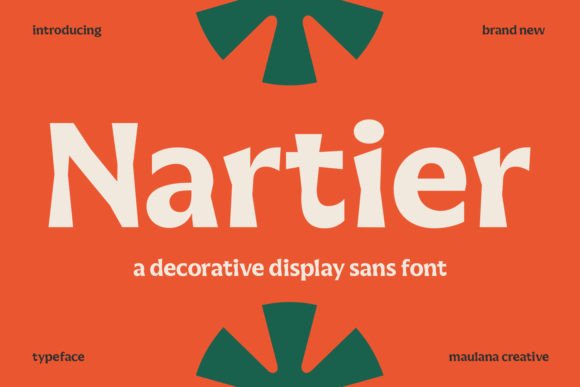
Nartier is a sleek, contemporary display font designed to elevate visual communication in a variety of creative contexts. With its medium-low contrast strokes and playful character design, Nartier offers a unique balance between elegance and expressiveness. Its subtle ligatures and alternate characters make it ideal for projects that require both clarity and personality. Whether you're crafting a logo, designing social media graphics, or working on a book title, Nartier can add a touch of sophistication and originality to your work.
As a font that works well with both sans-serif and serif typefaces, Nartier is versatile enough to fit into different design ecosystems. It's particularly effective when used as a secondary text element, complementing more neutral fonts while still standing out on its own. This makes it a valuable tool for designers, marketers, and content creators who want to maintain visual consistency while adding visual interest.
Integrating Nartier into Your Design Process
Understanding where and how to use Nartier can significantly enhance your workflow. Before starting a project, consider the tone and message you want to convey. Nartier’s modern aesthetic is well-suited for brands that aim to appear innovative and approachable. If your goal is to create a bold, memorable identity, Nartier can serve as a strong visual anchor.
During the design phase, experimenting with Nartier can help you explore different typographic hierarchies. Try using it for headings, subheadings, or key phrases to see how it interacts with other elements in your layout. Its readability at smaller sizes also makes it a good choice for short text blocks, such as captions or labels, where clarity is essential.
After finalizing a design, Nartier can be used to refine details and ensure visual cohesion. For instance, if you're working on a website or app interface, applying Nartier to buttons, headers, or call-to-action elements can reinforce brand identity without overwhelming the user experience.
Practical Use Cases for Nartier
One of the most common applications of Nartier is in logo design. Its clean lines and distinctive character set allow for creative interpretations that stand out in a crowded market. When paired with a minimalist icon or symbol, Nartier can communicate professionalism and creativity simultaneously.
Social media platforms benefit from Nartier’s adaptability. Whether you're creating profile banners, post headers, or promotional graphics, Nartier adds a polished look that aligns with modern design trends. Its legibility on screens makes it a reliable choice for digital content that needs to capture attention quickly.
In film and publishing, Nartier can be used for titles, credits, and cover designs. Its ability to blend style with readability ensures that it remains effective even in long-form contexts. For example, a movie title in Nartier can feel both cinematic and accessible, drawing viewers in without sacrificing clarity.
Combining Nartier with Other Tools and Fonts
Nartier works best when integrated with other design tools and typefaces. When paired with a sans-serif font like Helvetica or Roboto, it can create a balanced composition that feels both modern and structured. For a more traditional look, combining Nartier with a serif font such as Georgia or Times New Roman can add depth and contrast to your design.
Design software like Adobe Illustrator, Photoshop, and Figma supports Nartier, making it easy to incorporate into your workflow. These programs also allow for customizing spacing, kerning, and ligatures to fine-tune the appearance of Nartier in different contexts. Experimenting with these settings can help you achieve the desired visual effect without compromising readability.
Collaboration is another area where Nartier shines. When working with a team, sharing font files and style guides ensures that everyone uses Nartier consistently. This helps maintain a cohesive brand identity across different projects and platforms.
Workflow Tips for Using Nartier
To get the most out of Nartier, start by defining your design goals. Are you looking for a bold statement, a subtle accent, or a consistent visual theme? Understanding your purpose will guide how you apply Nartier in your work.
When using Nartier in a multi-font setup, prioritize hierarchy and contrast. Use it for primary headings or key messages, and reserve more neutral fonts for body text. This keeps your design focused and avoids visual clutter.
Testing Nartier in different sizes and formats is essential. What looks great in a large headline may not work as well in a small caption. Previewing your design on various devices and screen sizes ensures that Nartier remains legible and effective in all contexts.
Long-Term Considerations for Nartier
As you continue to use Nartier in your projects, consider how it fits into your long-term design strategy. Is it part of a broader typographic system, or is it a one-off choice for a specific task? Consistency is key to building a recognizable brand, so integrating Nartier thoughtfully can help maintain visual continuity over time.
Keeping your font library updated is also important. As new versions of Nartier are released, they may include improvements or additional characters that enhance your workflow. Staying informed about these updates ensures that you’re always using the most effective version of the font.
Finally, don’t hesitate to experiment. Nartier’s versatility allows for creative exploration, and pushing its boundaries can lead to unexpected and impactful results. Whether you’re refining an existing design or starting something new, Nartier offers a powerful tool for expressing your vision.