Defragment: A Futuristic Font for Creative Projects
Fonts play a critical role in design, influencing how messages are perceived and how brands connect with audiences. Defragment, a pixeled, techno, and futuristic-looking display font, stands out as a bold choice for modern creatives. With its unique visual style, it’s ideal for logotypes, headlines, posters, and digital content across industries like fashion, entertainment, and marketing. Whether you're designing a logo for your startup or creating eye-catching graphics for social media, understanding how Defragment fits into different contexts can help you make more informed design choices.
What is Defragment?
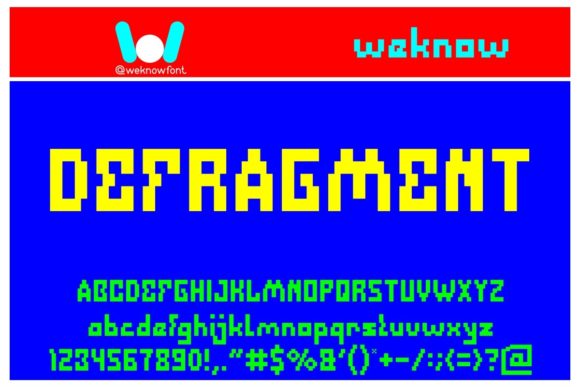
Defragment is a display font that captures the essence of digital aesthetics through its pixeled structure and sharp, geometric shapes. It has a strong presence on screen and print, making it suitable for attention-grabbing visuals. Unlike standard fonts used for body text, display fonts like Defragment are typically reserved for headings, logos, and short impactful phrases. Its futuristic vibe makes it especially appealing to designers working in tech, gaming, music, or any field where innovation and modernity matter.
Key Features of Defragment
- Pixeled Design: Gives it a retro-digital look that resonates with both nostalgic and forward-thinking audiences.
- Techno Style: Emulates the feel of high-tech interfaces and cyberpunk themes, perfect for immersive branding.
- High Contrast: Makes it easy to read at large sizes, even from a distance.
- Customizable Weight and Spacing: Offers flexibility for creative use in various layouts and designs.
Why Different Audiences Care About Defragment
While Defragment may seem like just another font to some, it carries different levels of relevance depending on the user's needs and background. For instance, a graphic designer might value its versatility for branding, while a small business owner could see it as a tool to stand out in a crowded market.
Beginners: A Bold Statement Without Overcomplication
If you're new to design, choosing the right font can feel overwhelming. Defragment offers an accessible yet striking option that doesn’t require advanced typography skills. Its clean lines and consistent character spacing help beginners create visually appealing designs without getting lost in complex formatting. For example, using Defragment in a YouTube thumbnail can instantly grab attention, even if your layout is simple.
Experienced Designers: Flexibility Meets Creativity
For seasoned professionals, Defragment serves as a versatile tool that adds a unique edge to projects. It can be layered with other fonts, paired with neon effects, or integrated into vector art to enhance the overall futuristic aesthetic. The font works well in both minimalist and maximalist designs—think of using it in a game UI overlay or a sci-fi movie poster. What matters most here is how it complements the project’s vision and enhances readability within a stylized context.
Entrepreneurs and Small Business Owners: Building a Strong Brand Identity
Branding is all about standing out, and Defragment helps entrepreneurs craft a memorable identity. If you’re launching a tech startup, a clothing line inspired by digital culture, or a music label focused on electronic genres, this font can reflect your brand’s innovative spirit. It’s also useful for packaging and signage in the apparel industry, where a strong visual impact can influence purchasing decisions.
Marketers and Bloggers: Catching Attention in a Digital World
In today’s fast-paced online environment, marketers and bloggers need tools that help their content cut through the noise. Defragment is perfect for Instagram posts, blog headers, or promotional banners. Its edgy appearance aligns well with campaigns targeting younger demographics who appreciate modern, tech-forward styles. When used wisely, it can elevate your message and increase engagement, especially when paired with vibrant colors and dynamic imagery.
Educators and Hobbyists: Teaching and Learning Through Visuals
Educators looking to teach typography or digital design often benefit from using fonts that spark interest and discussion. Defragment can serve as a great example in lessons about display fonts, pixel art, or retro-futurism. Similarly, hobbyists experimenting with design software can explore how this font behaves in different settings—like in a comic book panel or a custom T-shirt design. It encourages hands-on learning and experimentation with style.
How to Use Defragment Effectively
Using Defragment effectively depends on your specific goals and the medium you're working with. Here are some practical examples tailored to different user types:
Graphic Designers
Integrate Defragment into a poster design for a virtual reality event. Pair it with glowing gradients and minimal background elements to highlight the font’s futuristic qualities. You can also test how it looks in motion by using it in a video intro for a YouTube channel focused on technology or gaming.
Web Developers and UX Designers
Consider using Defragment for a website’s headline section, particularly if the site represents a tech product or service. Ensure it’s used sparingly to maintain legibility and focus. You might also use it for buttons or call-to-action sections to add a touch of digital flair without compromising usability.
Content Creators
Content creators in the gaming or music space can leverage Defragment for thumbnails, cover art, or social media posts. For example, a streamer might use it in their Twitch logo to communicate a tech-savvy persona. Similarly, a musician could apply it to a track listing or album artwork for a synthwave release.
Print Designers
Although it’s a digital-style font, Defragment can work well in print when scaled appropriately. Try it for a convention badge, a comic book title page, or a limited-edition magazine cover. Just be sure to test its readability in print format before finalizing the layout.
Evaluating Defragment Based on Your Needs
Not every font suits every purpose, and the same goes for Defragment. Here’s how different priorities might influence your decision:
Commercial Value vs. Artistic Expression
Businesses may prioritize commercial value, seeking fonts that align with their target audience and convey professionalism or innovation. In contrast, artists and illustrators might prefer Defragment for its expressive potential, using it to push creative boundaries rather than optimize for brand consistency.
Speed and Reliability in Workflow
For freelancers and agencies, speed and reliability are essential. Defragment is usually available in multiple formats (OTF, TTF, WOFF) and loads efficiently in most design applications. This makes it a reliable asset during tight deadlines, especially when clients request a modern or digital look.
Long-Term Usefulness and Scalability
When considering long-term usefulness, ask whether Defragment will remain relevant as trends evolve. While it has a distinct style, it’s not overly niche. Its adaptability means it can still perform well in future projects, especially those leaning into retro-futuristic or cyberpunk aesthetics.
When to Avoid Using Defragment
Even the best fonts aren’t always the right choice. Defragment isn’t suited for long paragraphs or fine print due to its stylized nature. It’s better reserved for short, impactful statements. Additionally, if your project requires a more traditional or elegant tone—such as a luxury brand or academic publication—it may not be the best fit.
Where to Find and Use Defragment
Many font platforms offer Defragment for download or license. Always check for commercial use rights before applying it to logos or branded materials. Once installed, it can be used in Adobe Photoshop, Illustrator, Figma, Canva, and other design tools. For web developers, ensure the font file is optimized for performance and compatible with major browsers.
Final Thoughts
Defragment is more than just a font—it’s a visual statement. Whether you're a beginner looking to make a quick impact or a professional crafting a detailed brand identity, it offers a fresh perspective on typography. By evaluating its features against your own project needs, you can determine if it’s the right choice to bring your creative vision to life.