Korean Jeju: A Modern Display Font with a Soft, Rounded Personality
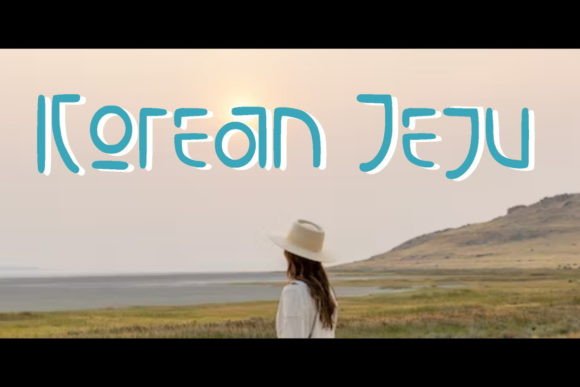
Korean Jeju is a modern display font that has gained attention for its unique visual identity and versatility across various design applications. With its rounded edges and soft aesthetic, it offers a fresh alternative to more rigid or traditional typefaces. Designed for clarity and warmth, Korean Jeju stands out in environments where readability and approachability are key.
Understanding Korean Jeju: A Blend of Style and Functionality
Korean Jeju is not just another font—it’s a carefully crafted typeface that balances modernity with a human touch. Its rounded strokes and gentle curves create a sense of friendliness, making it ideal for projects that aim to connect emotionally with the audience. This font is particularly useful in contexts where visual appeal and ease of reading are equally important.
Unlike some display fonts that prioritize boldness over legibility, Korean Jeju maintains a clear structure while still offering a distinctive look. Its design makes it suitable for both digital and print media, ensuring consistent performance across different platforms.
Key Characteristics of Korean Jeju
- Rounded Edges: The soft, rounded strokes give Korean Jeju a warm and inviting appearance, distinguishing it from more angular or geometric fonts.
- Modern Aesthetic: The overall design reflects contemporary typography trends, making it a great choice for modern branding and creative projects.
- High Readability: Despite its stylized form, Korean Jeju remains highly readable, especially at larger sizes commonly used in headlines and titles.
- Flexibility: The font works well in a variety of design scenarios, from social media content to event logos and promotional materials.
Practical Applications of Korean Jeju
Korean Jeju shines in situations where a friendly yet professional look is needed. It is particularly effective in marketing materials, such as movie posters, greeting cards, and YouTube thumbnails, where visual impact is crucial. Its softness can help convey a sense of approachability, which is beneficial for brands aiming to build trust and connection with their audience.
In addition to its use in visual design, Korean Jeju is also valuable for content creators who want to enhance the presentation of their work. Whether designing social media posts, blog headers, or video titles, this font adds a polished and cohesive look without overwhelming the viewer.
Strengths and Usability
The strength of Korean Jeju lies in its ability to maintain clarity while delivering a distinct visual style. Its rounded forms reduce the harshness often associated with display fonts, resulting in a more inviting and accessible typeface. This quality makes it especially appealing for designers working on projects targeting younger demographics or those requiring a more casual tone.
Usability is another key advantage. Korean Jeju is available in multiple weights and styles, allowing for greater customization and adaptability. This flexibility ensures that it can be used effectively in both single-line headlines and multi-line compositions without sacrificing readability or visual harmony.
Real-World Performance and Reliability
In practical settings, Korean Jeju performs consistently well across different mediums. When used in print, it retains its soft character and does not appear too light or fragile. On digital screens, the font maintains its clarity and avoids pixelation, even at smaller sizes. This reliability makes it a dependable choice for designers who need a font that works seamlessly in both physical and virtual formats.
Consistency is another area where Korean Jeju excels. The uniformity of its letterforms ensures that text remains visually balanced, reducing the risk of awkward spacing or uneven alignment. This characteristic is especially important for designers working on layouts that require precision and attention to detail.
Who Benefits Most from Korean Jeju?
Korean Jeju is particularly suited for professionals in the creative and marketing industries. Graphic designers, social media managers, and content creators can leverage its soft aesthetic to enhance the visual appeal of their work. Entrepreneurs and small business owners may find it useful for branding efforts, as it provides a modern and approachable look that resonates with a broad audience.
Educators and publishers might also benefit from using Korean Jeju in materials designed for younger readers or interactive learning environments. Its friendly appearance can make complex information feel more accessible and engaging.
Considerations and Limitations
While Korean Jeju is a strong choice for many applications, it may not be the best fit for every project. In contexts that require a more formal or authoritative tone, its softness could be perceived as lacking seriousness. Designers should consider the intended message and audience before choosing this font.
Additionally, because of its stylized nature, Korean Jeju may not be ideal for long blocks of text. It is best suited for headings, titles, and short phrases where its visual appeal can be fully appreciated without compromising readability.
Final Thoughts on Korean Jeju
Korean Jeju offers a compelling blend of style and functionality that makes it a valuable asset in modern design. Its rounded edges and soft aesthetic provide a refreshing alternative to more rigid typefaces, while its readability and versatility ensure it can be used effectively in a wide range of projects. For designers looking to add a touch of warmth and modernity to their work, Korean Jeju is worth considering. Whether used in marketing materials, digital content, or branding efforts, it delivers a polished and cohesive look that enhances the overall visual experience.