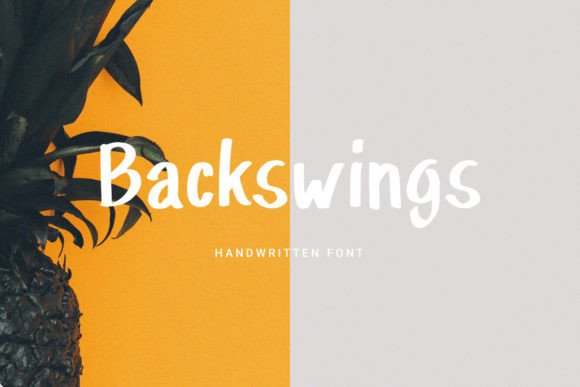
Backswings: The Cool and Casual Display Font for Modern Design
In the world of design, fonts play a crucial role in shaping the visual identity of a project. Whether you're creating a logo, designing a t-shirt, or working on a sports-related graphic, choosing the right typeface can elevate your work from good to unforgettable. One font that’s been making waves among designers is Backswings. This display font brings a unique blend of cool, casual aesthetics with functional adaptability—making it a versatile choice across various creative applications.
What Makes Backswings Stand Out?
Backswings isn’t just another font in the sea of thousands available online. It has a distinct personality that sets it apart. Its informal yet neat style gives it an approachable vibe without sacrificing professionalism. The characters are designed with subtle curves and playful spacing, which together create a sense of movement and energy. These qualities make it ideal for projects where you want to convey a relaxed but stylish tone.
Unlike many other display fonts that lean too heavily into one direction—either overly formal or comically exaggerated—Backswings strikes a perfect balance. It’s not going to overwhelm your design, but it will definitely catch the eye. That's what makes it so effective in branding, especially when used for logos or slogans that need to stand out but remain legible at a glance.
The Aesthetic Appeal of Informal Fonts
Informal fonts like Backswings have become increasingly popular because they resonate with modern audiences. People today gravitate toward designs that feel authentic and unpolished, while still being clean and easy to read. This font fits that niche perfectly. Its character structure mimics handwriting but is refined enough to be suitable for digital use, print materials, and even large-scale signage.
- Its soft edges give it a friendly appearance.
- Open counters enhance readability in smaller sizes.
- Subtle variations in stroke weight add depth and interest.
This combination of features means that Backswings doesn't just look great—it works great too. You won’t find yourself compromising between style and functionality when using this font.
Adapting Backswings Across Industries
One of the key strengths of Backswings is its ability to adapt to different industries and design needs. Here are some of the most common areas where it shines:
Logo Design
Logos need to be memorable and scalable. Backswings offers both. Because it’s a display font, it’s best suited for headlines or short text elements—but that doesn’t mean it can’t form the foundation of a strong brand identity. For startups, lifestyle brands, or local businesses looking to establish a warm and inviting image, this font provides an excellent starting point.
For example, a boutique fitness studio might use Backswings in their logo to reflect a laid-back yet professional atmosphere. It helps them stand out without feeling too serious or too silly.
T-Shirt Printing
When it comes to apparel design, especially for t-shirts, the font you choose can say a lot about the message or style you're promoting. Backswings adds a touch of flair without overpowering the rest of the design. Its informal nature makes it perfect for casual wear, while its neatness ensures it looks polished and well-crafted.
If you're running a small clothing line or creating custom shirts for a team event, consider how Backswings could bring a fresh perspective to your typography choices. It pairs well with minimalist graphics and also holds up in more vibrant or layered designs.
Sports and Fitness Designs
Given its energetic and dynamic feel, Backswings is particularly well-suited for sports-related content. From team banners and jerseys to promotional posters and social media posts, this font can help reinforce a brand’s athleticism and approachability.
It’s important to note that while Backswings is bold and expressive, it remains clear and readable—even in motion or under bright lights. This makes it a smart choice for environments where visibility is key, such as stadium signs or live event displays.
Why Choose Backswings Over Other Fonts?
Designers often face the challenge of selecting a font that feels original while still being appropriate for the task. Many opt for overused styles like Comic Sans or Times New Roman, which either come off as too gimmicky or too traditional. Backswings offers a compelling alternative.
Here are some reasons why Backswings is gaining traction in the design community:
- Unique Character Style: Each letter has a slightly different feel, giving the font a natural variation that avoids monotony.
- Versatility: It adapts well to both digital and print formats, from websites to posters.
- Easy to Customize: With the right tools, you can tweak spacing, add color, or integrate icons seamlessly alongside Backswings.
Another major advantage is its compatibility with modern design software. Whether you're using Adobe Illustrator, Canva, or Figma, Backswings integrates smoothly and maintains its quality across platforms. This ease of use is a big plus for freelancers and agencies alike who need reliable tools for fast turnaround times.
Real-World Applications
To better understand how Backswings can be used effectively, let’s look at a few practical examples:
- A local coffee shop uses Backswings for their storefront sign and packaging. The font adds a personal touch, reinforcing the shop's “community-first” vibe.
- A youth soccer league incorporates Backswings into their promotional flyers and team gear. It appeals to kids and parents alike with its fun yet clean look.
- An independent music band adopts Backswings for their album art and concert posters. The font complements the artwork and enhances the overall aesthetic without competing with it.
These scenarios highlight how Backswings can be tailored to fit different brand voices and visual goals. It’s not a one-size-fits-all solution, but its flexibility allows it to work well in many contexts if applied thoughtfully.
Practical Considerations When Using Backswings
While Backswings is highly adaptable, there are a few things to keep in mind before implementing it into your design:
Legibility vs. Style
Display fonts like Backswings are typically optimized for visual impact rather than long-form reading. So, avoid using it for body text or detailed copy. Save it for headlines, titles, or short phrases where its expressive style can truly shine.
Color and Contrast
Because of its soft curves and open forms, Backswings benefits from high contrast against the background. Darker shades on light backgrounds (or vice versa) usually yield the best results. Experiment with bold colors to match the tone of your project, whether it's edgy, playful, or laid-back.
Pairing with Other Fonts
For multi-font layouts, Backswings pairs well with sans-serif or geometric fonts that offer a more structured contrast. Think of combining it with something like Montserrat or Bebas Neue for a balanced composition. Avoid pairing it with similarly casual fonts unless you’re aiming for a specific aesthetic like vintage or retro.
License and Usage Rights
Always check the licensing agreement when downloading any font. Some versions of Backswings may be free for personal use only, while commercial licenses are required for business applications. Make sure you're compliant, especially if you're planning to use it in marketing materials or client projects.
How to Incorporate Backswings Into Your Workflow
Whether you're a seasoned designer or just getting started, integrating Backswings into your workflow can be straightforward. Here are some tips to get you going:
- Start with Mockups: Use it in sample designs to see how it interacts with other elements like images, colors, and layout structures.
- Test Scalability: Try resizing the font to ensure it retains clarity and impact at different scales, especially for logos or signage.
- Combine with Vector Graphics: Enhance your design by pairing Backswings with vector-based illustrations or shapes. This can help balance the organic feel of the font with structured visuals.
- Use in Web Projects: If you're embedding the font on a website, make sure it’s properly formatted for web use (WOFF, TTF). Also, test it on different browsers and devices to ensure consistent rendering.
By taking these steps, you’ll be able to leverage Backswings to its fullest potential without running into technical issues or poor design outcomes.
Design Tools That Support Backswings
Many design platforms support custom fonts, including Backswings. Here are some of the most popular ones:
- Adobe Creative Suite: Ideal for professional-grade logo and print design.
- Canva: Great for quick and easy t-shirt printing or social media graphics.
- Figma: Perfect for collaborative web or app interface designs.
- Craft and Procreate: Useful for hand-drawn or hybrid designs that combine digital and analog elements.
Each of these tools offers a slightly different experience, but all allow you to import and edit Backswings with ease. The key is to understand how each platform handles font formatting and rendering to maintain consistency across outputs.
Common Questions Before Choosing Backswings
Before committing to Backswings, many designers ask themselves similar questions. Here are a few common concerns and how to address them:
- Is it too trendy? While it does have a contemporary feel, its clean lines and thoughtful design ensure it won’t quickly fall out of favor. However, always consider the longevity of your project.
- Will it work on dark backgrounds? Absolutely, but you’ll need to adjust the color and possibly increase the contrast to maintain readability.
- Does it include special characters or ligatures? Most versions of Backswings include extended character sets and stylistic alternates. Always confirm the package details when purchasing or downloading.
- Is it good for multilingual projects? Depending on the version you download, Backswings may support multiple languages. If you're targeting an international audience, verify the language coverage.
Addressing these factors early in your design process will help you make the most of Backswings and avoid unnecessary revisions later on.
Final Thoughts on Typographic Versatility
Fonts are more than just decorative—they're integral to communication and perception. Backswings stands out because it manages to do both: it looks great and communicates clearly. In an era where first impressions matter, having a font that supports your brand’s voice while remaining visually appealing is invaluable.
From logo design to t-shirt printing and everything in between, Backswings proves that you don’t have to sacrifice function for style. Its cool, casual charm makes it a favorite among creatives who want to add personality to their work without losing clarity or professionalism.
If you're looking for a font that reflects modern sensibilities and can adapt to a variety of design challenges, consider giving Backswings a try. Just remember to pair it wisely, use it appropriately, and always respect the licensing terms. With these considerations in place, you’ll be ready to take full advantage of what Backswings has to offer.