Cookie Chip: A Whimsical Display Font That Brings Joy to Design
Fonts are more than just letters on a page—they're the personality of your message. When it comes to making an impact, Cookie Chip is a name that stands out in the world of display typography. This whimsical and fun font brings a playful energy to any design project, whether you're crafting marketing materials, branding for a new business, or simply adding some flair to digital content.
What Makes Cookie Chip Unique?
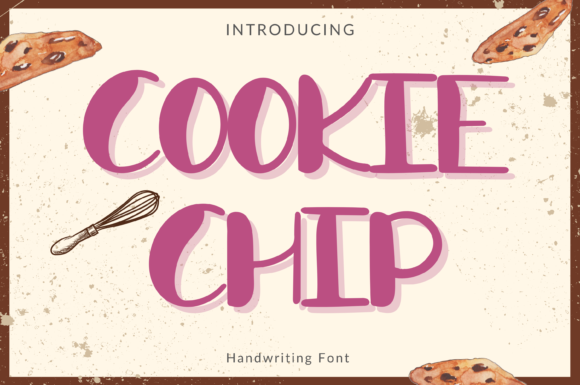
Cookie Chip is a display font that's easy to recognize by its warm, approachable style. It evokes a sense of nostalgia with its soft curves and slightly irregular letterforms, reminiscent of handwritten doodles or vintage cookie jars. The font isn't just cute; it has character—literally. Each letter feels like it was made with intention, giving designers a tool that’s both versatile and expressive.
A Font That Fits Many Moods
The beauty of Cookie Chip lies in how it adapts to different moods and messages. Its whimsy can be lighthearted or comforting, depending on how it's used. For instance, when paired with pastel colors and floral backgrounds, it adds a dreamy, romantic touch. In contrast, using it alongside bold, modern elements can create a charming juxtaposition that grabs attention without being overwhelming.
Real-World Uses for Cookie Chip
- Bakery and Food Branding: Imagine a bakery logo with Cookie Chip as the headline. The font screams "homemade" and "fresh"—perfect for businesses that want to evoke warmth and trust. Whether it's a cupcake shop, a gourmet cookie brand, or a family-owned restaurant, this font can help bring the brand story to life.
- Festival and Event Posters: Events like music festivals, food fairs, or holiday celebrations often need a font that feels inviting and lively. Cookie Chip fits the bill, especially when used in large sizes. It draws the eye and makes the event feel accessible and fun.
- Children's Products and Education: Brands targeting kids or educational platforms can use Cookie Chip to add a friendly, engaging tone. Think about book covers, learning apps, or even classroom posters where a cheerful aesthetic encourages curiosity and comfort.
- Wedding Invitations and Stationery: While many wedding fonts lean into elegance and formality, Cookie Chip offers a fresh alternative for couples who want something more personal and heartfelt. It works especially well for rustic or casual weddings, where a handwritten look is appreciated.
- Merchandise and Apparel Tags: Clothing lines, especially those focused on lifestyle or comfort wear, can benefit from Cookie Chip. It looks great on tags, labels, and packaging, helping products stand out while maintaining a cozy vibe.
How Different Users Benefit from Cookie Chip
Graphic designers love Cookie Chip for its ability to elevate simple designs into memorable ones. It doesn’t demand much but gives back a lot in terms of visual appeal. Small business owners appreciate its accessibility—it’s not too quirky to be off-putting but still distinct enough to make their brand pop. Content creators, such as YouTubers or Instagram influencers, find it useful for headers and thumbnails that convey creativity and charm.
For educators and parents, Cookie Chip can be a go-to font for creating visually appealing resources for children. From flashcards to activity sheets, the font helps keep young minds engaged without feeling forced. Similarly, artists and illustrators might use Cookie Chip in their work to complement hand-drawn styles or to give digital art a tactile, handmade quality.
Choosing Cookie Chip for Your Project
Before jumping in and using Cookie Chip everywhere, consider a few key factors to ensure it aligns with your project's goals. First, assess the context in which the font will appear. Is it for print or digital? How big will the text be? Since Cookie Chip is a display font, it shines best in headlines, logos, and short phrases rather than long paragraphs.
Next, think about the audience. If you're designing for a professional corporate setting, Cookie Chip may not be the right choice. However, if your goal is to connect with a younger demographic or create something that feels personal and creative, it could be exactly what you need.
Also, consider legibility. While Cookie Chip is charming, its stylized characters aren't always the clearest for small text sizes. Test it at various scales before finalizing a design, especially if readability is a priority. Pairing it with a clean, sans-serif font for body text can balance aesthetics with functionality.
Design Tips When Using Cookie Chip
- Use it as a focal point: Let Cookie Chip take center stage in your design. Avoid overloading the layout with other decorative fonts to maintain clarity and cohesion.
- Pair it thoughtfully: Complement Cookie Chip with simpler typefaces. For example, pairing it with Helvetica or Open Sans can provide a nice contrast between playfulness and professionalism.
- Play with spacing: Because of its unique shapes, adjusting the tracking (letter spacing) or leading (line spacing) can enhance its readability and visual appeal, especially in multi-line text.
- Test across mediums: Make sure Cookie Chip looks good on everything from billboards to social media posts. Sometimes a font that looks great on screen can lose its charm in print.
Industries That Love Cookie Chip
Cookie Chip isn't limited to one industry—it's found a home in several. Here are a few sectors where it truly shines:
- Food & Beverage: From café menus to snack packaging, Cookie Chip brings a homemade feel that resonates with customers looking for authenticity.
- Retail & E-commerce: Merchants selling cozy, handmade goods often choose Cookie Chip to reflect the personal touch behind their products.
- Event Planning: Wedding planners, party organizers, and festival coordinators use Cookie Chip to create invitations and signage that feel warm and welcoming.
- Education & Kids' Media: Teachers and creators of educational content for children enjoy how Cookie Chip makes learning feel less intimidating and more engaging.
- Nonprofits & Charities: Organizations focused on community, wellness, or sustainability often use Cookie Chip to communicate a message of care and connection.
When Cookie Chip Might Not Be the Best Choice
Like any font, Cookie Chip has its limitations. It’s not ideal for formal documents, technical writing, or anything requiring high readability at small sizes. If you're working on a legal contract, a medical brochure, or a financial report, Cookie Chip would likely confuse readers rather than delight them.
Another thing to note is cultural context. In some regions or industries, overly decorative fonts may be seen as unprofessional or gimmicky. Always evaluate how the font will be perceived within your target market before committing to it for a major project.
Practical Examples of Cookie Chip in Action
To better understand where Cookie Chip thrives, let’s look at a few real-world examples:
- A local bakery uses Cookie Chip in their logo and on packaging for seasonal treats. The result? Customers immediately associate the brand with home-cooked goodness.
- An online stationery store features Cookie Chip in product titles for greeting cards and stickers aimed at children. Sales increase due to the font's child-friendly and nostalgic appearance.
- A wellness influencer includes Cookie Chip in the title of her YouTube video series about self-care routines. Viewers comment that the font makes the content feel more personal and relatable.
- A boutique hotel in a coastal town uses Cookie Chip for promotional banners and welcome signs. The font helps reinforce the hotel's theme of relaxation and charm.
Cookie Chip vs. Other Display Fonts
While there are countless display fonts available, Cookie Chip distinguishes itself through its balance of whimsy and usability. Unlike highly stylized scripts that can be difficult to read, Cookie Chip maintains a clear structure while still offering a personal, handcrafted feel. It’s also more adaptable than rigid, geometric fonts that might feel cold or impersonal in certain contexts.
Compared to retro-style fonts like Rockwell or Caslon, Cookie Chip is softer and more playful. It's not trying to mimic the past—it's creating a vibe that feels fresh and friendly. This makes it a favorite among brands and creatives who want to avoid clichés while still keeping things warm and inviting.
Why Cookie Chip Stands Out
Cookie Chip’s appeal lies in its versatility and emotional resonance. It can turn a basic design into something memorable with minimal effort. The font works well across multiple platforms, including web, print, and mobile, making it a practical choice for cross-channel campaigns.
Its chibi-like qualities also allow for creative variations, such as custom illustrations or animations, which can further enhance user experience. In a crowded digital landscape, Cookie Chip helps projects break through the noise by offering a unique visual identity that people remember.
Common Considerations Before Using Cookie Chip
Here are a few common considerations users should keep in mind when deciding to use Cookie Chip:
- Does the font support all the characters I need (e.g., special symbols, accented letters)?
- Will it load quickly on websites or mobile devices?
- Is it suitable for the color scheme I'm using? Some versions of Cookie Chip may require darker or lighter hues to remain legible.
- Do I have the proper licensing for commercial use?
These questions help ensure that Cookie Chip is used effectively and legally. Taking the time to address them upfront can prevent headaches later and improve the overall success of a design project.
Final Thoughts
Whether you're launching a new brand, planning a themed event, or just looking for a way to inject some joy into your next design, Cookie Chip is worth considering. Its blend of charm and clarity makes it a standout in a sea of generic fonts. And when used correctly, it can transform ordinary visuals into something truly special.
So the next time you’re brainstorming a creative project, don’t forget to reach for Cookie Chip. You might be surprised at how much it enhances your message and connects with your audience.