Cartesian: A Modern Geometric Typeface for Purposeful Design
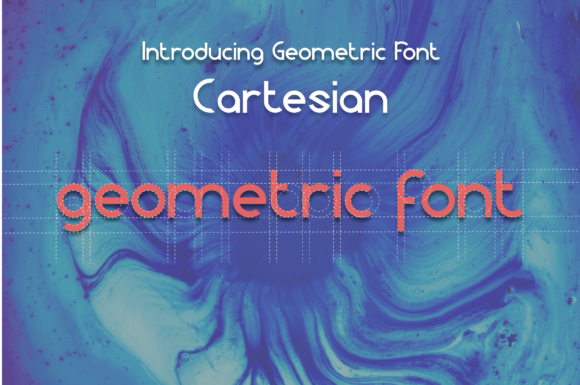
In the world of typography, choosing the right font can be as strategic as crafting a compelling message. Cartesian, a geometric sans-serif typeface, stands out not just for its clean and contemporary aesthetic but for the intentional design philosophy it embodies. Inspired by the precision of geometry and the elegance of minimalism, Cartesian blends structural accuracy with soft, approachable curves to create a versatile and visually grounded font. This article explores how designers, marketers, and creators can leverage Cartesian to enhance their projects while aligning with strategic goals.
The Strategic Value of Cartesian in Visual Communication
Typefaces are more than decorative elements—they are tools that shape perception and reinforce messaging. Cartesian is built on a foundation of clarity and simplicity, making it an ideal choice for professionals who value readability without sacrificing style. Its geometric structure ensures legibility across various applications, from digital interfaces to printed materials. The smooth transitions between strokes and the balanced proportions contribute to a modern yet timeless feel, which can support branding efforts aiming for sophistication and innovation.
For entrepreneurs and small business owners, especially those operating in tech, education, or creative industries, using a font like Cartesian can subtly communicate values such as precision, logic, and forward-thinking. It’s not just about looking good—it’s about aligning your visual identity with the strategic narrative you want to tell.
Why Cartesian Appeals to Marketers and Brand Strategists
Branding materials often require fonts that are both memorable and functional. Cartesian fits this dual need perfectly. Its minimalist nature allows other brand elements—like colors, imagery, and logos—to take center stage, while still providing enough character to remain distinctive. In logo design, where clarity and impact are paramount, Cartesian offers a strong presence without overwhelming the viewer.
- It supports brand consistency across different platforms due to its adaptability.
- Its clean lines help maintain a professional tone, which is essential in marketing collateral.
- It enhances visual hierarchy by clearly separating titles, headings, and body text.
Use Cases Where Cartesian Excels
The thoughtful application of Cartesian can elevate the effectiveness of multiple design scenarios. Here are some key areas where this typeface shines:
Graphic Design Projects
From business cards to posters, Cartesian brings a sense of order and modernity. Its structured form works well in layouts requiring alignment and symmetry, such as infographics or presentation slides. When used in combination with bold colors or abstract shapes, Cartesian becomes a powerful element that anchors the design without detracting from it.
Consider using Cartesian in a poster design for a science exhibition or educational event. The font’s geometric roots echo the themes of logic and discovery, reinforcing the content’s intent through typographic harmony.
Game Design and Digital Media
If you’re designing a game with a space theme, Cartesian could be the perfect fit. Its futuristic appeal resonates with sci-fi aesthetics, and the font remains highly legible even at smaller sizes—a crucial factor for UI elements in games. For developers and indie creators, selecting a font that reflects the game's universe while maintaining usability is a strategic decision that can influence user engagement and immersion.
- Use Cartesian for title screens and menus to establish a cohesive look.
- Pair it with subtle gradients or metallic effects to amplify the space-age vibe.
- Ensure contrast with background visuals so the font remains readable under all lighting conditions.
Print and Merchandise
When designing merchandise like t-shirts or gift cards, readability and scalability are critical. Cartesian’s smooth curves make it easy on the eyes, while its strong geometry gives it a bold presence. For instance, a minimalist t-shirt with a single word in Cartesian can become a statement piece—especially when paired with a monochrome color scheme.
Freelancers and bloggers might also consider using Cartesian in printables such as quote cards or social media thumbnails. The font’s ability to convey professionalism and creativity simultaneously makes it a go-to option for content creators aiming to stand out in crowded feeds.
Planning Thoughtfully with Cartesian
To use Cartesian effectively, it’s important to understand its strengths and limitations. Like any tool, it should serve a purpose rather than being chosen arbitrarily. Here’s how to integrate it into your workflow with intention:
Align with Project Goals
Ask yourself: What is the goal of the project? Is it to appear cutting-edge, to communicate stability, or to evoke a sense of exploration? If your objective includes modernity and clarity, Cartesian may be an excellent match. However, if you're aiming for a warm, organic, or traditional feel, you might find it less suitable.
For example, an educator creating a workshop brochure for data visualization would benefit from Cartesian’s clean, analytical appearance. Conversely, a luxury fashion brand seeking a romantic, handcrafted look may prefer a serif or script font instead.
Consider Context and Audience
The audience plays a pivotal role in font selection. If you're targeting young adults or professionals in STEM fields, Cartesian’s sleek and intelligent aesthetic will likely resonate well. But for older demographics or those expecting a more classic experience, a sudden shift to a geometric sans-serif could disrupt expectations.
Marketers and UX designers should also consider the platform. On mobile devices, where screen real estate is limited, Cartesian’s clear letterforms ensure messages stay intact. In long-form reading environments, however, it may lack the warmth and rhythm of more humanist typefaces.
Complement with Other Design Elements
Avoid using Cartesian in isolation. To create a harmonious design, pair it with complementary fonts, colors, and spacing. Use it as a headline or accent font, and then transition to a more neutral typeface for body text. This layered approach maintains visual interest while preserving readability.
Strategic pairing can transform Cartesian from a standalone font into a cornerstone of a broader typographic system. For instance, in a product packaging design, use Cartesian for the product name and switch to a softer, rounded sans-serif for descriptions and instructions.
Risks of Using Cartesian Without Clarity
While Cartesian is undeniably stylish and adaptable, using it without a clear understanding of your objectives can lead to misalignment. One risk is overuse—relying too heavily on the same font across all elements can result in a flat, unengaging design. Another is mismatched context; if Cartesian is applied to a project that doesn’t reflect its core attributes (like logic, clarity, or modernity), it may confuse or alienate your audience.
Additionally, if the font isn’t properly scaled or spaced, its minimalist qualities can turn into drawbacks. Small text sizes might lose legibility, especially in low-contrast settings. Always test Cartesian in the actual environment it will be used before finalizing a design.
Decision-Making Guidance for Creative Professionals
Here’s a practical framework to decide whether Cartesian is the right fit for your next project:
- Define the purpose: What do you want the design to achieve? Does the font support that purpose?
- Assess the audience: Will they respond positively to a clean, geometric style? Or does the font risk appearing cold or impersonal?
- Evaluate the medium: How will the font perform on different surfaces and sizes? Test it in print and on-screen formats.
- Compare alternatives: Consider how Cartesian stacks up against similar fonts like Bebas Neue or Montserrat. Which one better serves your needs?
- Seek feedback: Share mockups with colleagues or target users to gauge reactions and refine your choice.
Long-Term Benefits of Incorporating Cartesian
Beyond immediate visual appeal, using Cartesian thoughtfully can contribute to long-term outcomes. Its consistent performance across mediums helps build a recognizable typographic identity, which is invaluable for brands aiming for cohesion and trustworthiness.
For educators and publishers, Cartesian can aid in information retention. Studies suggest that minimalist, high-contrast fonts improve readability, particularly in digital learning environments. By using Cartesian in course materials or e-books, you can subtly enhance the learning experience.
Creators and hobbyists who adopt Cartesian for personal projects gain access to a font that feels both current and timeless. Whether designing a portfolio website or promotional materials for a side hustle, the font’s neutrality allows it to evolve with trends without becoming outdated.
Operational Efficiency Through Typography
Designers often underestimate how much time and effort can be saved by using a font that’s inherently easy to work with. Cartesian’s consistent stroke width and open apertures reduce the need for extensive adjustments, streamlining workflows and boosting productivity. For freelancers managing tight deadlines, this efficiency is a major asset.
Moreover, because Cartesian is widely supported across design software and web platforms, integrating it into templates and recurring materials becomes seamless. This reduces friction in operations and ensures that every piece of communication maintains a unified visual language.
Conclusion: Typographic Strategy with Cartesian
Choosing a font is rarely a trivial decision. It’s part of a larger strategy that influences everything from first impressions to brand loyalty. Cartesian is more than a pretty face—it’s a typographic ally for anyone who values precision, clarity, and modernity in their visual communication.
By applying Cartesian intentionally, you can enhance your design planning, strengthen your creative positioning, and deliver more impactful results. Just remember: every tool, including typefaces, should be selected with purpose. Let Cartesian be that purposeful choice when geometry meets function—and when clarity needs to speak louder than ornamentation.