How to Integrate Mini Heart Style Into Your Creative Workflow for Better Visual Impact
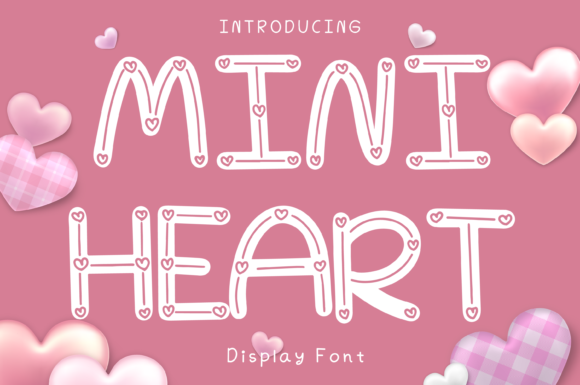
Mini Heart Style is a whimsical and clean display font that adds a touch of charm and elegance to any design project. Whether you're a designer, marketer, educator, or small business owner, this font can elevate your work by introducing a subtle yet distinctive visual element. Its playful nature doesn't compromise readability, making it a versatile choice across various platforms and media.
Understanding the Role of Mini Heart Style in Design Projects
In the broader context of creative workflows, fonts play a crucial role in shaping brand identity, guiding user attention, and enhancing overall aesthetics. Mini Heart Style fits into this process as a tool that helps designers express personality while maintaining clarity. It’s particularly useful in projects where a balance between professionalism and creativity is needed—such as invitations, branding materials, social media posts, and product packaging.
This font is best used when you want to add a soft, approachable feel to your designs without overwhelming the content. It works well in both digital and print formats, especially when paired with minimalist layouts and neutral color schemes. Because it’s a display font, it should be reserved for headings, logos, or call-to-action elements rather than large blocks of text.
Using Mini Heart Style Before, During, and After a Project
Before Starting a Project: Consider the tone and purpose of your work. If your goal is to create something warm, inviting, or emotionally resonant, Mini Heart Style can serve as a great starting point. It helps set the visual direction early on, ensuring consistency from concept to execution.
- Brand Development: Use it in mood boards or early logo concepts to explore how a whimsical aesthetic might align with your brand voice.
- Content Planning: When planning blog headers, email campaigns, or marketing materials, decide if this font will enhance the message or distract from it.
During the Project: Once you’ve decided to use Mini Heart Style, integrate it thoughtfully into your design process. Pair it with a more traditional sans-serif or serif font for body text to maintain legibility. This combination ensures that your key messages remain clear while the title or headline grabs attention.
- Select the right platform: Make sure your design software (like Adobe Illustrator, Canva, or Figma) supports web fonts or custom font uploads.
- Test compatibility: Check how the font renders on different devices and screen sizes to ensure it looks consistent across all platforms.
- Balance with spacing: Whimsical fonts like Mini Heart Style often have unique letterforms. Adjust line height and character spacing accordingly to keep the design from feeling cluttered.
After Completion: Evaluate how effectively Mini Heart Style contributed to your project's success. Did it help convey the intended emotion? Was it easy to read alongside supporting visuals or copy? These reflections can guide future font choices and improve your overall design strategy.
Integration with Other Tools and Resources
Mini Heart Style works seamlessly with most modern design tools. Here are some ways to integrate it effectively:
- Adobe Creative Suite: Import the font into Photoshop, Illustrator, or InDesign for professional-level editing and formatting.
- Web Projects: Embed it using Google Fonts or other web font services to ensure cross-browser compatibility and fast loading times.
- Graphic Creation Platforms: Upload the font to Canva or Crello for quick access when creating social media graphics, posters, or presentations.
Additionally, consider how Mini Heart Style interacts with your color palette and imagery. A bold heart-shaped glyph may clash with overly bright colors or complex backgrounds. Opt for a simple backdrop and muted tones to let the font shine without competing for attention.
Collaboration and Consistency Across Teams
If you're working in a team environment—whether in-house or remote—it's important to establish font guidelines early. Share the Mini Heart Style file or link to its source so everyone has access. Define usage rules such as which team members can apply it, where it should appear, and under what conditions.
Consistency is key. Even though Mini Heart Style is whimsical, overusing it can lead to inconsistency in your visual communication. Limit it to specific sections like headers, buttons, or icons to preserve a cohesive look throughout your project.
Practical Implementation Tips for Real-World Use
Here are a few actionable tips to help you implement Mini Heart Style efficiently:
- Use sparingly: Apply it only where it enhances the message. Overuse can dilute its impact and make the design feel less polished.
- Pair wisely: Combine it with a neutral font for body text. For example, pair with Lato, Open Sans, or Roboto to create contrast and hierarchy.
- Optimize for accessibility: Ensure there's enough contrast between the font color and background. Avoid using it in small sizes where legibility could suffer.
- Stay organized: Keep track of where and how you've used the font. Create a style guide or naming convention for font layers to streamline revisions later.
Workflow Examples
Example 1: Social Media Campaigns
When launching a new product, use Mini Heart Style in your campaign headers to create a sense of warmth and excitement. Follow up with a more standard font in the description text to ensure readability. This approach maintains a balance between emotional appeal and information delivery.
Example 2: Wedding Invitations
For an elegant yet personal wedding invitation design, use Mini Heart Style for the names and event title. The font's gentle curves and whimsy can evoke a romantic and heartfelt tone. Match it with a classic script font for signatures or a serif font for details like time and venue.
Example 3: Educational Materials
Educators and content creators can use Mini Heart Style in headers for children's learning resources or motivational quotes in e-learning modules. It adds a friendly and engaging touch that can make educational content more appealing and memorable.
Factors to Consider When Using Mini Heart Style
Preparation: Before incorporating Mini Heart Style into your workflow, ensure you have the correct licensing. Some fonts require attribution or restrict commercial use, so always verify the terms before downloading.
Compatibility: Test the font across different operating systems and browsers. Web fonts may render differently depending on device settings, so previewing your work on multiple screens is essential.
Usability: Think about who will interact with your final product. For instance, if you're designing for older audiences or those with visual impairments, avoid using Mini Heart Style in small sizes or low-contrast environments.
Organization: Maintain a font library within your design management system. Tagging each font by category (e.g., "whimsical," "branding," "headlines") makes it easier to locate and apply consistently.
Efficiency: To save time, create reusable templates with predefined font styles. This way, you can quickly apply Mini Heart Style across multiple assets without reworking the same settings every time.
Quality Control: Review all outputs where the font appears. Check for alignment issues, spacing inconsistencies, and rendering problems to ensure your final product meets professional standards.
Long-Term Use: If you plan to use Mini Heart Style repeatedly in your branding or content, evaluate whether it remains relevant over time. Trends shift, and while the font may still be appropriate today, it’s worth considering its longevity in your design strategy.
Why Choose Mini Heart Style?
Mini Heart Style stands out because it blends simplicity with character. Unlike many display fonts that sacrifice legibility for flair, this one retains a clean structure while adding a subtle emotional layer through its stylized heart motifs. It’s not just a font; it's a design asset that communicates care, creativity, and individuality.
Its adaptability makes it suitable for a wide range of industries and purposes. Marketers can use it to craft compelling headlines for campaigns targeting younger demographics. Educators can leverage it in interactive learning materials to make lessons more engaging. Bloggers and content creators might find it ideal for titles or pull quotes that draw readers in.
Realistic Expectations and Best Practices
While Mini Heart Style is a powerful tool, it’s not a universal solution. Success depends on thoughtful application and alignment with the overall design goals. Consider the following best practices:
- Define the context: Ask yourself why you're using this font. Is it to reflect a brand's personality? To catch attention on a poster? Let the purpose guide your placement.
- Limit variations: Avoid using too many different weights or styles unless they’re available. Stick to the core version to maintain uniformity.
- Review for scalability: Ensure the font looks good at different sizes—from mobile banners to large print ads. Sometimes, a font that works beautifully on screen doesn’t translate well in print.
Getting Started with Mini Heart Style Today
Ready to bring a touch of whimsy to your next project? Begin by identifying the areas where a clean, expressive font can enhance your message. Download or license Mini Heart Style, import it into your preferred design platform, and start experimenting with mockups and prototypes.
Remember to test it in real-world scenarios before finalizing your designs. Gather feedback from colleagues or target users to see if the font improves the overall experience or distracts from the message. Use this insight to refine your approach and make data-driven decisions moving forward.
With the right preparation and implementation, Mini Heart Style can become a valuable part of your creative toolkit. It’s not just about making your designs look better—it’s about making them feel better, too.