How Designer Stickers Can Elevate Your Design Projects with Playful Typography
Typography plays a crucial role in the visual impact of any design project. From branding to web design, choosing the right font can set the tone and enhance the overall aesthetic. One unique option that stands out is Designer Stickers, a thick lettered and playful display font known for its soft yet bold characteristics. This article explores what makes Designer Stickers distinctive, how it compares to other fonts in similar categories, and when it might be the best fit for your creative needs.
What Is Designer Stickers?
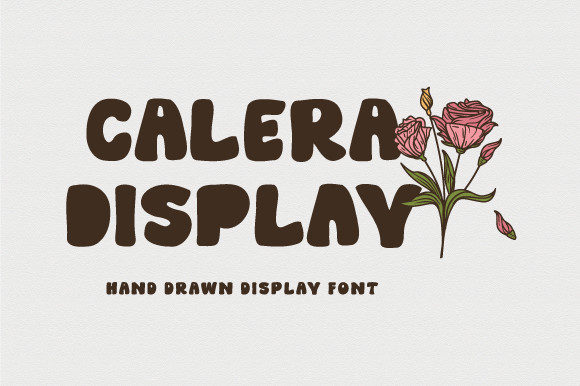
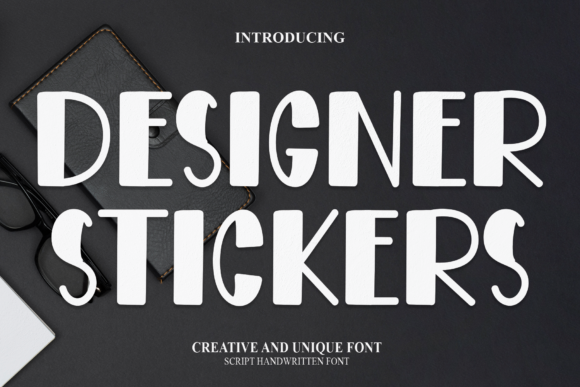
Designer Stickers is a display font characterized by its rounded, thick letters and a whimsical, hand-drawn feel. It evokes a sense of fun and creativity while maintaining legibility at larger sizes. Unlike more rigid or formal typefaces, this font brings warmth and approachability to designs, making it ideal for projects where personality and visual flair are important.
The name "Designer Stickers" hints at its use case—like a sticker you'd apply to a design for added charm. It’s crafted to mimic the look of handmade labels or tags, giving digital creations a tactile, almost craft-like appearance. The font's soft edges and consistent weight make it versatile enough for both casual and professional applications, depending on how it's used.
Design Characteristics That Set It Apart
Several key features distinguish Designer Stickers from other display fonts:
- Thick Lettering: The increased stroke weight gives the font a strong presence, especially useful for headlines or callouts.
- Rounded Shapes: These add a friendly and inviting tone, differentiating it from sharper, angular alternatives.
- Playful Aesthetic: The font has a slightly uneven or organic feel, reminiscent of hand-painted signs or vintage stickers.
- High Contrast Between Letters: This makes it easy to spot from a distance, which is great for signage, posters, and social media graphics.
These traits combine to create a font that is visually engaging without overwhelming the content. Its balance between boldness and softness allows it to work well in a variety of contexts, from children’s products to lifestyle brands.
Comparing Display Fonts: When to Choose Designer Stickers
Display fonts come in many styles—each suited to specific design goals. Designer Stickers falls into the category of rounded sans-serif or handwritten-style display fonts, but it also has elements of retro or sticker-inspired typography. Here's how it stacks up against similar options:
Against Traditional Rounded Sans-Serifs
Fonts like Quicksand or Raleway have a clean, modern look with rounded shapes. However, they tend to be more minimalistic and less expressive than Designer Stickers. If you're looking for something that feels polished and professional, these may be better choices. But if you want to inject energy and a personal touch into your designs, Designer Stickers offers a more dynamic alternative.
Against Handwritten Fonts
Handwritten fonts such as Pacifico or Great Vibes are often used for their natural, fluid strokes. While they offer a more authentic “pen-on-paper” feel, they can sometimes lack consistency in spacing and sizing, which can affect readability. Designer Stickers maintains a level of uniformity while still preserving the charm of a handwritten style, making it more suitable for commercial or multi-line use cases.
Against Decorative or Script Fonts
Decorative fonts often include flourishes, ligatures, or stylized forms that can distract from the message. In contrast, Designer Stickers keeps things simple and charming, avoiding excessive ornamentation. This makes it easier to integrate into layouts without overshadowing supporting elements like images or body text.
Strengths of Using Designer Stickers
There are several advantages to using Designer Stickers in your design work:
- Attention-Grabbing Visuals: The bold and playful nature of the font naturally draws the eye, making it excellent for headers, logos, and promotional materials.
- Approachable and Friendly Tone: Ideal for brands targeting younger audiences or those aiming to convey warmth and creativity.
- Adaptable Across Media: Whether applied to print, digital platforms, or motion graphics, the font retains its character and appeal.
- Unique Character Set: The font often includes special characters, symbols, or alternate glyphs that allow for greater customization and expression.
Its versatility means it can be used in a wide range of industries—from food packaging and stationery to app interfaces and website banners. The font's ability to maintain clarity even with its playful structure is one of its strongest selling points.
Best-Fit Situations for Designer Stickers
Knowing when to use Designer Stickers is just as important as understanding its features. Here are some common scenarios where this font shines:
- Brand Identity: For businesses that want to appear youthful, creative, or community-focused, this font can serve as a cornerstone of their visual identity.
- Event Promotions: Whether it's a music festival, art show, or birthday party, the font adds a festive and inviting vibe to posters and flyers.
- Digital Marketing Materials: Social media posts, email headers, and ad banners benefit from the font’s ability to stand out while remaining readable.
- Product Packaging: Especially effective for items like snacks, toys, or craft supplies where a cheerful and colorful label is desired.
In each of these cases, Designer Stickers helps designers communicate not only information but also emotion and brand personality.
Limitations and Tradeoffs
While Designer Stickers is a powerful tool, it does have limitations that should be considered before implementation:
- Not Ideal for Long Text: Like most display fonts, it isn't built for extended reading. Use it sparingly for headlines or short phrases.
- May Clash with Certain Styles: Its playful nature could undermine the seriousness of a corporate or luxury brand. Context is key.
- Requires Proper Pairing: To avoid visual clutter, pair it with a more neutral or minimalist body font. For example, a sans-serif like Open Sans or a serif like Lora can provide a balanced layout.
- Limited Language Support: Some versions may not support extended language sets or special typographic features, so always check compatibility if designing for an international audience.
Recognizing these tradeoffs ensures that the font is used effectively rather than excessively. The goal is to enhance the design, not overpower it.
Alternatives to Consider
If Designer Stickers doesn’t align perfectly with your project’s tone or requirements, consider these alternatives:
- Comic Neue: Offers a cartoonish feel with cleaner lines and better scalability for longer text.
- Bungee: Another bold, rounded font that leans into the graffiti or street art aesthetic.
- Yellowtail: A softer, script-like font that shares a similar approachable vibe but with cursive elements.
- Montserrat Alternates: Provides a modern twist with decorative endings, suitable for creative yet professional environments.
Each of these fonts has its own flavor and purpose. The choice ultimately depends on the message you want to convey and the visual hierarchy you need to establish.
Real-World Examples of Designer Stickers in Action
To understand how Designer Stickers works in practice, let’s look at a few examples:
Example 1: Children's Book Cover
A children's book about adventure and imagination uses Designer Stickers for the title. The bold, rounded letters give the cover a vibrant, energetic look that appeals to young readers. The font complements the colorful illustrations and reinforces the playful theme of the story.
Example 2: Eco-Friendly Product Branding
An eco-conscious snack company uses Designer Stickers on their product labels. The font’s handcrafted appearance aligns with the brand’s mission of sustainability and authenticity. It stands out on store shelves while maintaining a warm and trustworthy impression.
Example 3: Social Media Campaign
A fitness influencer incorporates Designer Stickers into a campaign promoting a new workout program. The font is used in short, punchy captions and hashtags, adding a motivational and upbeat tone to the visuals. Its boldness helps it pop over photos and videos without becoming distracting.
These real-world applications highlight how the font can be tailored to suit different industries and purposes while retaining its core qualities.
When Designer Stickers Might Not Be Right for You
Despite its strengths, there are situations where Designer Stickers may not be the best choice:
- Formal or Corporate Documents: Where professionalism and readability are top priorities, a more standard typeface is usually preferable.
- Multi-Language Websites: If your site serves a global audience, opt for a font with broader language support.
- Minimalist Designs: In layouts where simplicity and subtlety are key, the playful nature of the font may not blend well.
- Long Titles or Paragraphs: Avoid using it for extended text, as it can become difficult to read and lose its effectiveness.
By identifying these scenarios, you can ensure that the font is used appropriately and contributes positively to your design goals.
Key Decision Factors When Choosing Designer Stickers
Selecting the right font involves considering several factors. Here’s what to keep in mind when evaluating Designer Stickers:
- Project Purpose: Does the font align with the tone and message of your project? For instance, would it clash with a high-end fashion brand?
- Target Audience: Will the font resonate with your intended users? Younger demographics often respond well to its playful nature.
- Medium and Platform: How will the font perform across different devices and formats? Test it in context to see how it scales and renders.
- Pairing Options: Can it coexist harmoniously with other fonts in your design system? Look for complementary styles that balance it out.
- Accessibility: Ensure the font remains legible for all users, including those with visual impairments. Avoid using it in small sizes or low-contrast settings.
Taking these factors into account helps ensure that your font choice supports your design objectives and enhances user experience.
Final Thoughts on Integrating Designer Stickers into Your Work
Designer Stickers is a standout display font that brings a fresh, joyful energy to design projects. Its thick, soft lettering makes it highly visible and emotionally resonant, particularly in contexts that prioritize engagement and visual storytelling. However, it’s important to weigh its strengths against potential drawbacks and consider whether it fits your specific needs.
As with any design decision, the best way to determine if Designer Stickers is right for you is to test it in real-world scenarios. Evaluate how it looks alongside your color palette, imagery, and other typographic elements. By doing so, you can confidently choose a font that elevates your work and connects with your audience.