Hacross: A Bold and Authentic Display Font for Strategic Branding
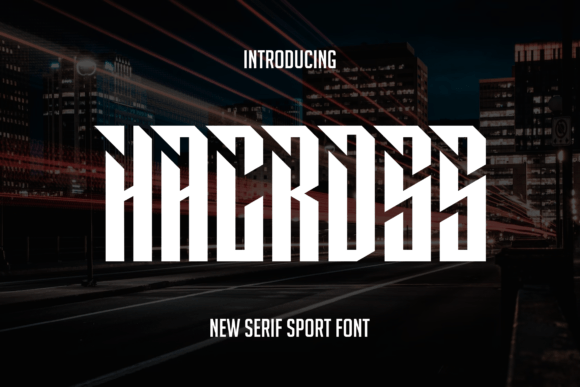
In the world of branding, typography plays a critical role in shaping perception, conveying identity, and influencing engagement. Hacross is a display font that stands out for its boldness and authenticity, making it a powerful tool for designers and brand strategists. Whether you're crafting a logo, designing merchandise, or building an esports brand, Hacross offers a unique visual language that can elevate your creative output.
Unlike generic fonts that blend into the background, Hacross commands attention with its strong character and distinctive style. This makes it ideal for projects where clarity, impact, and memorability are essential. But to harness its full potential, it's important to approach its use with intention and strategy.
Why Hacross Matters for Branding and Design
Brand identity is more than just a logo or a color scheme—it’s about creating a consistent and compelling visual presence. Hacross contributes to this by providing a strong typographic foundation that aligns with modern design trends while maintaining a sense of individuality. Its bold strokes and clean lines make it highly legible, even at larger sizes, which is crucial for applications like signage, packaging, and digital interfaces.
For entrepreneurs and small business owners, choosing the right font can be a strategic decision. Hacross allows brands to stand out in crowded markets without sacrificing readability or professionalism. It works well for logos that need to communicate confidence and energy, as well as for headlines that demand immediate attention. When used thoughtfully, it can reinforce a brand’s message and create a lasting impression on customers.
Strategic Use Cases for Hacross
Hacross is versatile enough to fit a wide range of design needs, but its effectiveness depends on how it’s applied. Here are some practical scenarios where it shines:
- Logo Design: Hacross provides a strong visual anchor for logos, especially for brands targeting younger audiences or those looking to convey innovation and strength.
- T-Shirt Printing: Its bold style makes it ideal for t-shirt designs, where visibility and impact are key. Whether for a music band, sports team, or lifestyle brand, Hacross adds a dynamic edge.
- Esports and Gaming: In the competitive world of esports, branding must be eye-catching and memorable. Hacross helps create a sense of energy and urgency, perfect for team names, tournament banners, and promotional materials.
- Advertising and Marketing Materials: From billboards to social media posts, Hacross can draw attention and support a brand’s messaging with its striking appearance.
Each of these use cases requires careful consideration of context, audience, and purpose. Hacross isn’t a one-size-fits-all solution, but when aligned with specific goals, it can significantly enhance the visual appeal and effectiveness of a project.
Planning and Positioning with Hacross
Before incorporating Hacross into any design, it’s essential to define the objectives and audience. Ask yourself: What message do I want to convey? Who is my target audience? How will this font contribute to the overall brand strategy?
For example, if you’re designing a logo for a tech startup, Hacross might work well if the brand aims to appear innovative and forward-thinking. However, if the brand is more traditional or conservative, a simpler font may be more appropriate. Understanding the tone and values of your brand ensures that Hacross complements rather than clashes with your identity.
Another consideration is how Hacross interacts with other design elements. It should harmonize with colors, images, and layouts to maintain a cohesive look. Testing different combinations and iterations can help identify the best approach for your project.
When to Use Hacross and When to Avoid It
Hacross excels in situations where boldness and clarity are priorities. It’s particularly effective for headlines, titles, and short phrases that need to capture attention quickly. However, it may not be suitable for long paragraphs of text, where readability and comfort are more important than visual impact.
There are also scenarios where using Hacross could be counterproductive. For instance, if the font’s style doesn’t align with the brand’s personality or if it creates visual clutter, it may undermine the overall design. Additionally, overusing Hacross across multiple elements can dilute its impact and make the design feel unbalanced.
It’s also important to consider accessibility. While Hacross is legible at larger sizes, it may not be the best choice for body text or low-resolution displays. Always evaluate how the font performs in different contexts to ensure it meets usability standards.
Best Practices for Using Hacross Intentionally
To get the most out of Hacross, follow these guidelines:
- Use It Sparingly: Limit the use of Hacross to key areas where it can have the greatest impact, such as headlines, logos, and call-to-action buttons.
- Pair It with Simpler Fonts: Combine Hacross with more neutral typefaces for body text or secondary elements to create contrast and balance.
- Test in Different Sizes: Ensure that Hacross remains readable and visually appealing across various scales, from large banners to small icons.
- Align with Brand Values: Choose Hacross only if it supports the brand’s identity and messaging. Avoid using it purely for aesthetic reasons without a clear purpose.
By following these practices, you can integrate Hacross into your design workflow in a way that enhances both functionality and aesthetics.
The Risks of Using Hacross Without Clarity
Without a clear understanding of how Hacross fits into your broader design strategy, it can lead to inconsistencies and miscommunication. Randomly applying the font without considering its implications may result in a disjointed visual identity that fails to resonate with your audience.
Additionally, relying too heavily on Hacross can make your brand appear overly aggressive or unapproachable, depending on the context. It’s important to strike a balance between boldness and subtlety, ensuring that the font serves the brand’s goals rather than overshadowing them.
Finally, failing to test Hacross in real-world scenarios can lead to unexpected issues. For example, it may not render correctly on certain devices or platforms, affecting the user experience. Always validate the font’s performance across different mediums before finalizing your design.
Conclusion: Hacross as a Strategic Tool for Creative Success
Hacross is more than just a font—it’s a strategic asset that can shape the visual identity of a brand and influence how it’s perceived. By using it intentionally and thoughtfully, designers and creators can achieve greater clarity, impact, and consistency in their work.
Whether you’re building a new brand, revamping an existing identity, or working on a creative project, Hacross offers a bold and authentic option that can help you stand out in a competitive landscape. The key is to approach its use with purpose, planning, and a deep understanding of your goals.