Gloomy Things: A Font That Adds a Dark, Dramatic Flair to Your Designs
If you're looking for a font that can instantly set a spooky, mysterious tone, Gloomy Things might be the perfect choice. This unique display font has a distinct, eerie aesthetic that makes it ideal for horror-themed projects, Halloween promotions, and any design that benefits from a touch of darkness. But while its visual appeal is undeniable, there are several key considerations to keep in mind before using it in your work.
What Makes Gloomy Things Stand Out?
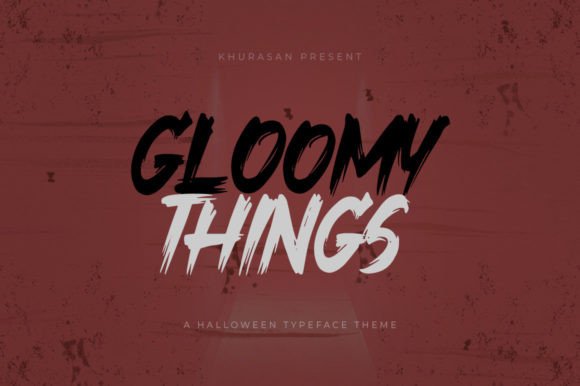
Gloomy Things is more than just a font—it's a mood. Its irregular shapes, jagged edges, and slightly distorted letters give it a haunting quality that can elevate the atmosphere of any design. Whether you're creating a haunted house flyer, a horror movie poster, or a seasonal social media post, this font can help you convey a sense of unease and intrigue.
Despite its dark theme, Gloomy Things is surprisingly versatile. It works well with both bold and subtle color schemes, and it can be paired with other fonts to create a balanced, professional look. However, its unconventional style means it’s not always the best fit for every project—especially those that require a clean, modern appearance.
Common Mistakes When Using Gloomy Things
One of the most frequent mistakes users make with Gloomy Things is overusing it. While the font is visually striking, it can quickly become overwhelming if used too much. For example, using it for long paragraphs or entire websites can reduce readability and make your content harder to engage with.
Another common issue is poor pairing. Many designers assume that because Gloomy Things looks good on its own, it will automatically work with other fonts. In reality, it often needs a contrasting typeface to balance its intensity. A simple sans-serif like Arial or Helvetica can provide a nice counterpoint, making the overall design feel more cohesive.
Some users also overlook the importance of licensing. Gloomy Things may be available for free online, but not all versions are suitable for commercial use. Before downloading or purchasing, always check the license terms to avoid legal issues down the line.
How These Mistakes Can Affect Your Work
Using Gloomy Things excessively can hurt the user experience. If your audience can’t easily read your text, they’re likely to lose interest or even leave your site. This is especially true for web design, where clarity and accessibility are crucial.
Incorrect font pairings can lead to a cluttered or unprofessional look. Even the most creative designs need structure and harmony. Without the right balance, your message may get lost in the visual noise.
Ignoring licensing details can result in costly consequences. If you use a version of Gloomy Things that isn’t properly licensed, you could face legal challenges or be forced to remove your work. Always verify the terms before using any font in a public or commercial setting.
Practical Tips for Using Gloomy Things Effectively
To get the most out of Gloomy Things, start by using it sparingly. Apply it to headlines, logos, or short phrases rather than large blocks of text. This keeps the focus on the message while still benefiting from the font’s dramatic flair.
When pairing it with other fonts, choose something simple and neutral. A clean, modern typeface can help offset the complexity of Gloomy Things without clashing. For example, a serif font like Georgia or Times New Roman can add elegance and contrast.
Always check the license information before downloading or using Gloomy Things. If you’re unsure about the terms, consider purchasing a commercial license or using a font from a trusted source like Google Fonts or Adobe Typekit.
What to Check Before Making a Decision
Before incorporating Gloomy Things into your design, ask yourself a few key questions. Is this font appropriate for the context? Will it enhance or distract from the message? Are there alternative fonts that might work better?
Test the font in different sizes and colors to see how it performs. Some fonts look great in large headings but become difficult to read when scaled down. Also, consider the platform where your design will be displayed. Web, print, and mobile environments can all affect how a font appears.
Finally, don’t be afraid to experiment. Gloomy Things offers a lot of creative potential, but the best results come from thoughtful application. Try different layouts, color combinations, and text placements to find what works best for your project.
Realistic Examples and Better Approaches
Imagine you’re designing a Halloween event poster. Instead of using Gloomy Things for the entire layout, apply it to the main title and a few key elements. Pair it with a simple, readable font for the event details and description. This creates a visually engaging design without sacrificing clarity.
For a blog post about horror movies, use Gloomy Things as a heading or subheading. Keep the body text in a standard font like Roboto or Open Sans. This approach maintains professionalism while still adding a touch of drama.
If you’re working on a branding project, consider using Gloomy Things for a logo or tagline. It can help establish a strong, memorable identity, especially for businesses in the entertainment, gaming, or lifestyle industries.