First School: A Stylish Font for Creative Workflows
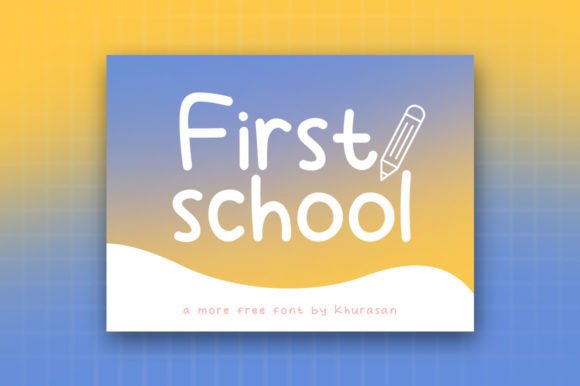
First School is a modern and fancy display font that brings a unique visual identity to any design project. Its elegant curves and clean lines make it ideal for a wide range of applications, from posters and logos to magazine layouts and book covers. Whether you're working on a personal project or a professional assignment, First School can elevate the look and feel of your work.
This free font is more than just a stylistic choice—it's a tool that can enhance your creative process. Understanding how to integrate it into your workflow can help you achieve better results and streamline your design efforts.
Understanding First School in the Design Process
First School fits naturally into the broader design process, especially when visual appeal and readability are important. It’s often used in the early stages of concept development to establish a tone or mood. For example, when designing a promotional poster for an event, using First School can immediately convey a sense of sophistication and creativity.
The font also plays a role during the refinement phase. As you finalize a design, choosing the right typeface can make a significant difference in how the message is received. First School’s versatility allows it to adapt to different contexts, making it a valuable addition to your design toolkit.
Using First School in Different Workflow Stages
Before starting a project, consider how First School can influence your initial sketches or mockups. If you’re working on a branding initiative, experimenting with this font can help you visualize the brand’s personality. It can also be useful when presenting ideas to clients or stakeholders, as it adds a polished touch to your proposals.
During the execution phase, First School can be paired with other fonts to create contrast and hierarchy. For instance, using it for headlines while pairing it with a sans-serif font for body text can improve readability without sacrificing style. This approach is common in editorial design, where clarity and aesthetics must coexist.
After completing a project, First School can still play a role in quality control. Reviewing your final design with this font ensures consistency across all elements. It’s also a good practice to check how the font renders on different devices and platforms, as this affects the overall user experience.
Integration with Other Tools and Resources
First School works well with design software such as Adobe Photoshop, Illustrator, and InDesign. These tools allow you to experiment with different sizes, spacing, and effects to find the best fit for your project. Many designers also use online platforms like Canva or Figma, where they can quickly apply the font to templates or prototypes.
When collaborating with others, sharing files that include First School can ensure everyone is on the same page. However, it’s important to note that not all users may have the font installed. To avoid issues, consider embedding the font in your files or providing a downloadable version for team members.
Practical Implementation Tips
To get the most out of First School, start by testing it in small projects before applying it to larger ones. This allows you to see how it performs in different contexts and adjust your approach accordingly. For example, try using it in a social media graphic or a business card design to gauge its effectiveness.
Another tip is to pay attention to typography principles such as line height, letter spacing, and alignment. Even the most stylish font can become difficult to read if these elements aren’t properly adjusted. Use tools like the Type Scale Calculator or Adobe’s Character panel to fine-tune your text.
When working on multi-page documents, such as magazines or brochures, maintain consistency by using First School for headings and subheadings. This creates a cohesive look throughout the publication and reinforces the visual identity of the project.
Workflow Examples and Observations
Consider a scenario where a small business owner is creating a new logo. By incorporating First School into their design, they can quickly test different styles and find a balance between creativity and professionalism. This font helps them stand out in a competitive market while maintaining a clear and recognizable brand image.
For educators or content creators, First School can be used in lesson plans, presentations, or educational materials. Its visual appeal makes it easier to engage students or audiences, especially when combined with images or infographics. It’s also a great option for blog headers or website titles, adding a touch of elegance to digital content.
In the publishing industry, First School can be used for book covers, chapter headings, or title pages. Its distinctive style can attract readers and set the tone for the content inside. Publishers often look for fonts that are both functional and aesthetically pleasing, and First School meets these criteria.
Long-Term Use and Maintenance
When using First School over an extended period, keep track of updates or variations that may be released. Font designers sometimes add new characters, ligatures, or weights, which can expand your creative options. Staying informed about these changes ensures you can continue using the font effectively.
It’s also a good idea to back up your font files, especially if you’re using them in critical projects. Cloud storage solutions or local backups can protect against data loss or corruption. This is particularly important for freelancers or businesses that rely on consistent design outputs.
Finally, remember that while First School is a powerful tool, it should complement your overall design strategy rather than dominate it. Use it thoughtfully, and always consider the audience and purpose of your work. This approach will help you achieve the best results and maintain a high standard of quality in your designs.