Army Phantom: A Stencil-Type Display Font for Impactful Visual Communication
Understanding the Army Phantom Font
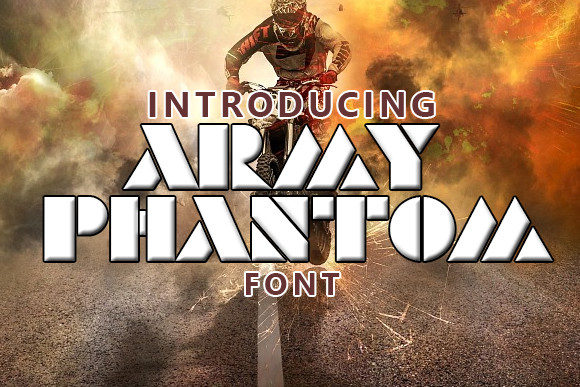
Army Phantom is a bold, stencil-type display font that combines geometric shapes with a modern edge to deliver strong visual impact. Designed for clarity and style, it’s particularly well-suited for use in posters, flyers, branding materials, and other high-impact design projects where attention-grabbing typography is essential. The font carries a cool, urban vibe while maintaining a structured appearance due to its angular and clean lines.
As a display font, Army Phantom isn’t ideal for large blocks of text but excels when used sparingly to highlight key phrases, titles, or logos. Its unique character set makes it versatile for both digital and print media, allowing designers to create compelling visuals that resonate with audiences seeking contemporary aesthetics.
Before the Project
Before launching into a design project, it’s important to define the purpose and audience of your work. Army Phantom can be part of this early-stage planning if your project requires a strong typographic presence. For instance, when creating promotional material for a tech startup, an event poster for a music festival, or a motivational quote graphic for social media, selecting the right font is a foundational step.
Consider how Army Phantom aligns with your brand identity or message. If you're aiming for something edgy yet professional, or something youthful and energetic, this font might be a perfect fit. You can explore free and paid versions of Army Phantom on platforms like Font Squirrel, DaFont, or Google Fonts before committing to a specific design direction.
During the Design Process
Once you’ve decided to use Army Phantom, the next step is integrating it into your design software. Popular tools such as Adobe Photoshop, Illustrator, Canva, and Figma all support custom fonts. Simply download and install Army Phantom on your system, then import it into your chosen platform.
When applying Army Phantom to your design, consider the following tips:
- Layering and Effects: Use drop shadows, gradients, or outlines to enhance the boldness of the font and make it stand out against busy backgrounds.
- Contrast: Pair it with more traditional or minimalist fonts for body text to maintain readability and balance.
- Spacing and Alignment: Because of its thick, geometric nature, give each word or line enough breathing room to avoid clutter and ensure legibility.
For example, if you’re designing a flyer for a new product launch, you might use Army Phantom for the headline “Launch Tomorrow” and switch to a sans-serif font like Montserrat for the supporting text. This contrast helps guide the viewer’s eye and emphasizes the main message without overwhelming the content.
After the Project
After completing a design, evaluate how effective Army Phantom was in achieving your goals. Did it help reinforce the message? Was it easy to read at a glance from a distance? These questions are crucial for refining future projects and understanding the font’s role in your creative toolkit.
You may also want to keep track of where and how you've used Army Phantom. Create a simple log or mood board with examples of successful implementations. This archive will help you quickly reference the best use cases and avoid repetition or misuse in the future.
How Army Phantom Interacts with Other Design Elements
Army Phantom works best when paired with thoughtful layout and color choices. Since it's a dark, high-contrast font, using lighter colors or white space effectively can amplify its visibility. In logo design, for instance, combining Army Phantom with a monochromatic color scheme often results in a sleek, modern look.
When working with images, especially those featuring textures or patterns, ensure that the font remains legible. Test different background layers by overlaying Army Phantom text to see how it holds up under various conditions. Tools like Adobe Creative Cloud offer layer blending modes that can help achieve the right effect without compromising readability.
Additionally, Army Phantom can be used creatively in animations or motion graphics. Its distinct shape allows for smooth transitions and dramatic effects, making it a favorite among video editors and motion designers. Platforms like After Effects support custom fonts, enabling seamless integration into moving designs.
Choosing the Right Format
Depending on your platform and needs, Army Phantom may come in several formats, including TTF (TrueType Font), OTF (OpenType Font), or WOFF (Web Open Font Format). For web use, WOFF is typically recommended due to better browser compatibility and performance. For print and desktop publishing, TTF or OTF files offer more control over spacing and rendering.
Optimizing for Different Media
If you plan to use Army Phantom across multiple channels—such as online ads, billboards, and printed brochures—test how it appears in each medium. Web designers should also consider responsive design, ensuring the font scales well on mobile devices. Print designers need to check resolution settings and font embedding options to prevent any issues during production.
Creating Consistency in Branding
Consistency is key in branding. While Army Phantom adds a punchy element, it should be used strategically to maintain a cohesive visual language. Define guidelines for when and how the font is applied—such as only for headlines or call-to-action sections—to ensure it doesn't clash with other design elements or dilute the overall message.
Event Promotion
Whether it's a concert, sports event, or corporate seminar, Army Phantom can serve as the backbone of your promotional materials. Its bold and dynamic appearance makes it ideal for attracting attention at a glance. For example, using it in a concert poster for a band with a gritty sound could enhance the thematic consistency and visual appeal of the piece.
Product Packaging
In retail and e-commerce, first impressions matter. Army Phantom can be used to label limited-edition products, highlight key features, or add a sense of urgency to sales messaging. Its geometric structure complements modern packaging styles and helps convey a sense of innovation and strength.
Marketing Materials
Marketing teams can leverage Army Phantom for slogans, taglines, or campaign headings. It’s especially useful in industries like technology, fitness, and fashion, where a strong, memorable typeface can elevate the perceived value of a brand. When used in conjunction with high-quality imagery and strategic color palettes, Army Phantom can become a signature element of your marketing collateral.
Social Media Graphics
With the rise of short-form content and visual storytelling on platforms like Instagram, TikTok, and LinkedIn, having a font that stands out is critical. Army Phantom fits naturally into these environments when used for captions, infographics, or animated posts. It pairs well with minimalistic layouts and vibrant visuals, helping your message cut through the noise.
Long-Term Use and Organization
To get the most out of Army Phantom, organize your font library effectively. Group it with similar display fonts under categories like “Bold,” “Urban,” or “Modern.” This practice ensures you can access it quickly when needed and maintains a streamlined workflow.
Also, consider licensing agreements carefully. If you’re using Army Phantom for commercial purposes, confirm that the license permits usage across your intended platforms. Some fonts require attribution or have restrictions on redistribution, so staying informed is essential for long-term usability and legal compliance.
Efficiency and Quality Control in Typography Workflows
Typography plays a subtle yet powerful role in user experience and engagement. Army Phantom, when used correctly, contributes to the efficiency of your design process by reducing the need for complex graphics to draw attention. Its straightforward application saves time while still delivering a polished result.
However, quality control is vital. Always proofread your text and test how it looks across different screen sizes and resolutions. Small inconsistencies, such as uneven letter spacing or misaligned baselines, can detract from the professionalism of your final output. Utilize grid systems and alignment tools in your design software to maintain precision and consistency.
Integrating Army Phantom Into Your Routine
Integration doesn’t have to be complicated. Start by identifying one or two projects where Army Phantom can make a noticeable difference. As you gain confidence, experiment with variations of the font—like italicized versions or alternate characters—if available. Keep your design process agile by rotating between fonts based on the context rather than sticking to one just because it’s popular.
Collaboration is another area where Army Phantom shines. If you're working with clients or team members who prefer a no-nonsense approach to design, this font can communicate strength and simplicity. Share examples of its use in past projects to demonstrate how it aligns with their vision and goals.
Conclusion
Army Phantom is more than just a stylish font—it's a tool that can enhance your visual communication strategy when used thoughtfully. By understanding its strengths, limitations, and appropriate applications, you can integrate it smoothly into your creative workflows. Whether you're a designer, marketer, or entrepreneur, Army Phantom offers a way to express bold ideas with clear, impactful typography.
Remember to consider the broader context of your design and how every choice contributes to the effectiveness of your message. With proper planning, execution, and evaluation, Army Phantom can become a reliable asset in your design portfolio.